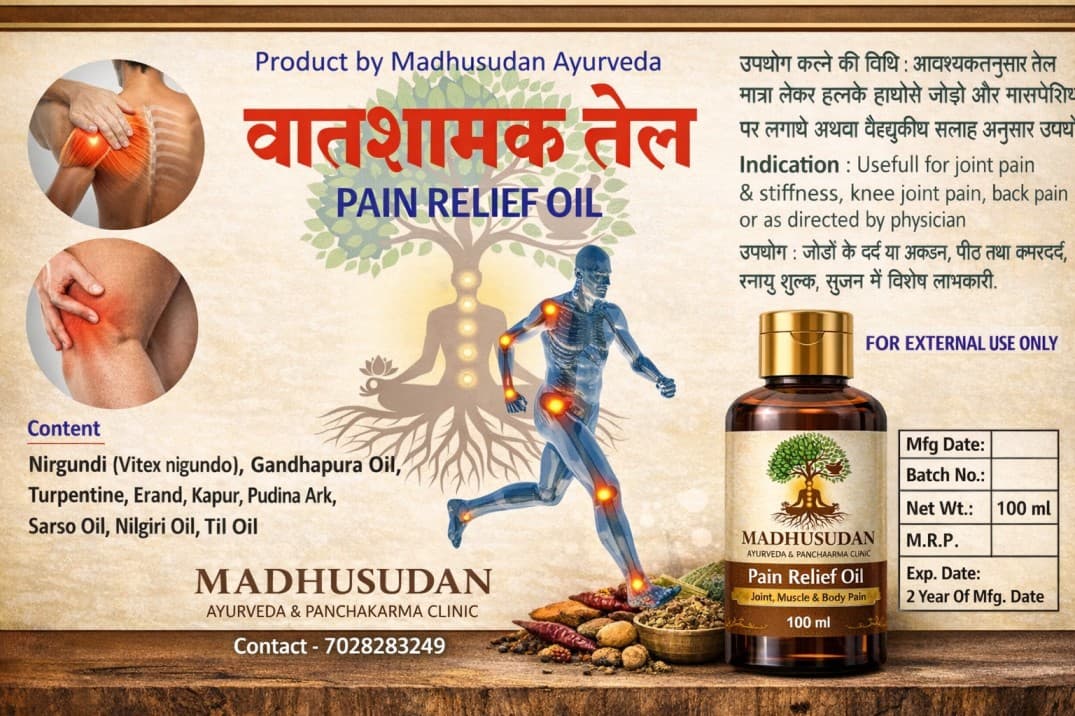
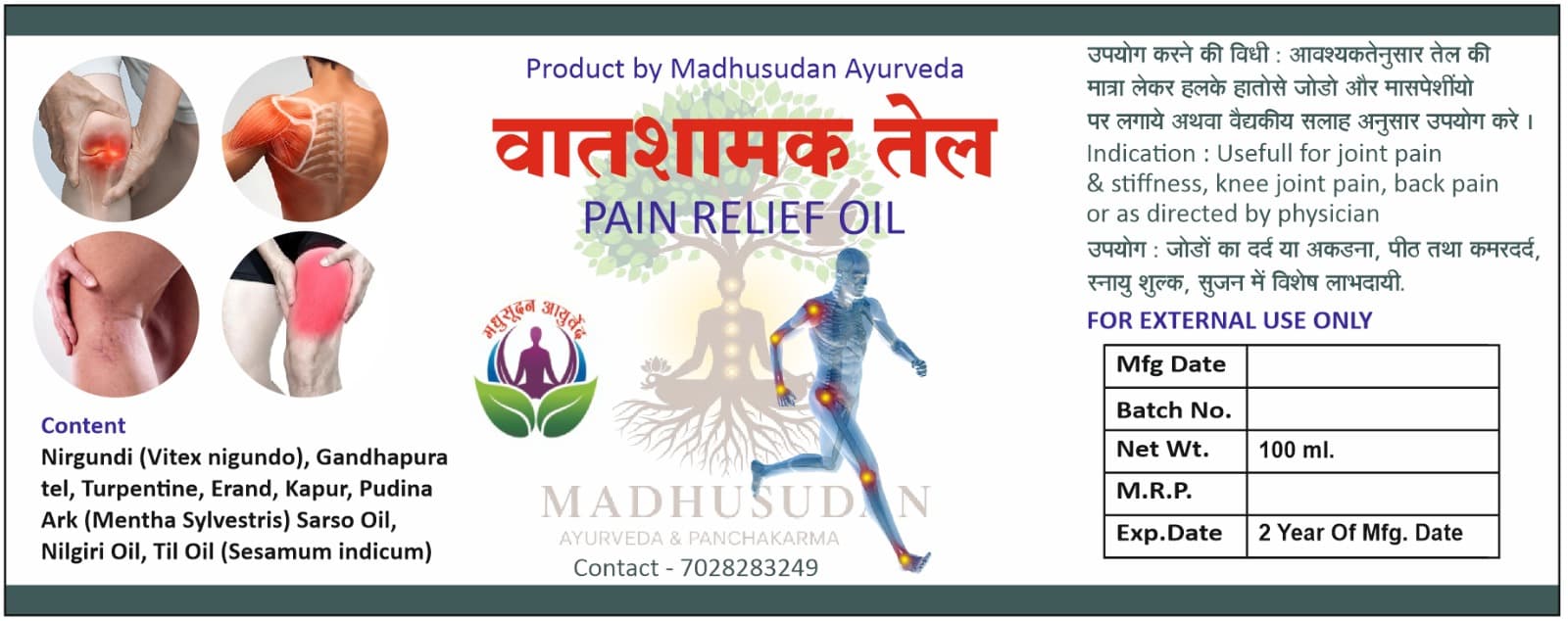
Sandhiwat in Ayurveda refers to joint degeneration and pain, commonly correlated with Osteoarthritis. It mainly occurs due to aggravated Vata Dosha, aging, improper diet, sedentary lifestyle, and excessive physical strain. Ayurveda offers a natural and holistic approach to reduce pain, improve mobility, and strengthen joints. 🦴✨
🔎 What is Sandhiwat?
Sandhiwat is characterized by:
Joint pain and stiffness
Swelling in joints
Difficulty in movement
Cracking sounds in joints
Reduced flexibility
It commonly affects knees, hips, spine, and fingers.
🌿 Ayurvedic Treatment for Sandhiwat
1. Panchakarma Therapies 🧘♂️
Ayurveda recommends detoxification therapies to balance Vata Dosha:
Abhyanga – Medicated oil massage to reduce stiffness
Swedana – Herbal steam therapy to relieve pain
Janu Basti – Oil pooling for knee joint pain
Kati Basti – Effective for lower back pain
Basti Therapy – Medicated enema considered best for Vata disorders
2. Ayurvedic Medicines 🌱
Commonly prescribed herbal formulations:
Ashwagandha
Shallaki (Boswellia)
Guggulu preparations
Rasna
Dashmool
These help in:
Reducing inflammation
Strengthening cartilage
Improving lubrication in joints
3. Diet Recommendations 🥗
Follow a Vata-pacifying diet:
Warm and freshly cooked food
Ghee and sesame oil
Milk and herbal soups
Avoid cold, dry, and processed foods
Reduce excessive tea and coffee
4. Lifestyle Tips 🚶♀️
Regular gentle exercise
Yoga and stretching
Maintain healthy weight
Avoid excessive climbing and strain
Keep joints warm
🌟 Benefits of Ayurvedic Treatment
✔ Natural pain relief
✔ Improves joint mobility
✔ Reduces stiffness
✔ Strengthens bones and cartilage
✔ No harmful side effects
✔ Long-term relief
🪔 Conclusion
Ayurveda treats Sandhiwat by addressing the root cause rather than just suppressing symptoms. With proper Panchakarma therapy, herbal medicines, diet, and lifestyle changes, long-lasting relief from joint pain is possible. 🌿💚
Visit our Doctor Krishna Khairnar specialist in Panchakarma, Joint Pain Care, and Diabetes Care